Coworking Spaces vs Traditional Offices in Gurgaon – Comparison Guide
Thu Apr 23 2026
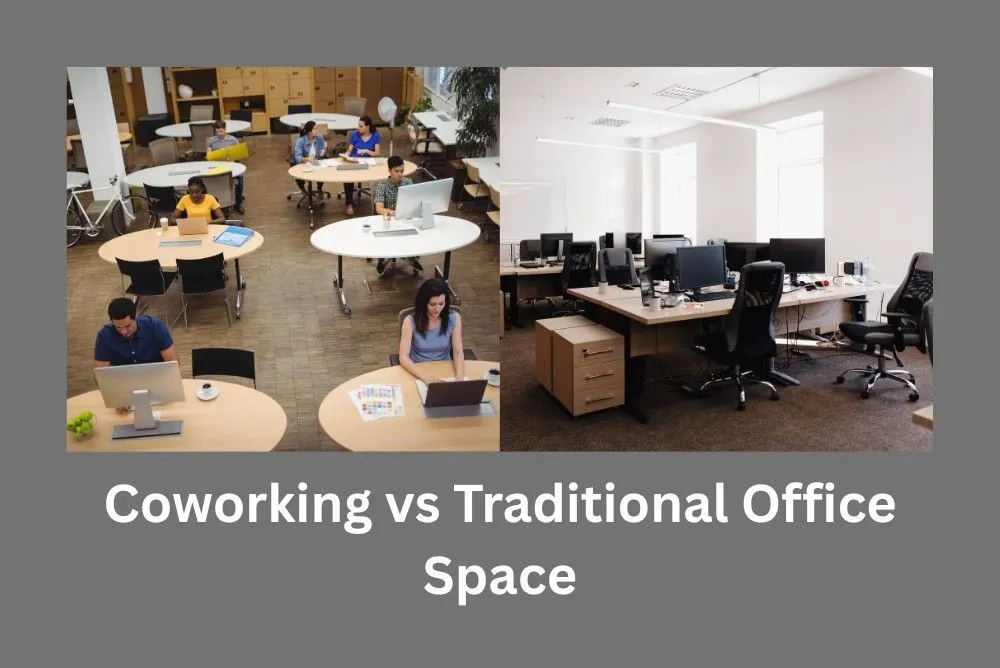
Choosing between two office styles always feels a bit heavier than it should. You think it is just space, but it is not. It is routine, money, comfort, pressure, everything mixed quietly.
In this guide, we will understand Coworking Spaces vs Traditional Offices in Gurgaon – Comparison Guide in the simplest way possible, without confusion, without heavy words. Just real understanding.
Because in Gurgaon, where business grows fast and decisions move even faster, the choice between Coworking Spaces vs Traditional Offices in Gurgaon – Comparison Guide becomes something every startup, freelancer, and company faces at least once.
And honestly, it is not always a clean decision. It feels like standing between two doors, one open and lively, the other private and steady.
Let’s walk through it slowly.
What Are Coworking Spaces in Gurgaon?
Coworking spaces are shared work environments where multiple companies or individuals work under one roof.
When people talk about coworking spaces Gurgaon, they usually mean flexible, ready-to-use offices where you just walk in and start working.
These spaces are designed for:
- Freelancers
- Startups
- Small teams
- Remote workers
You don’t worry about furniture or internet setup. Everything is already there.
This is why Coworking Spaces vs Traditional Offices in Gurgaon – Comparison Guide often starts with coworking as the easy entry point.
And sometimes, it really is easy. Almost too easy. Like stepping into a system already running.
You just plug in and begin.
What Are Traditional Offices in Gurgaon?
Now the other side feels different.
A traditional office means a private, dedicated space for one company only.
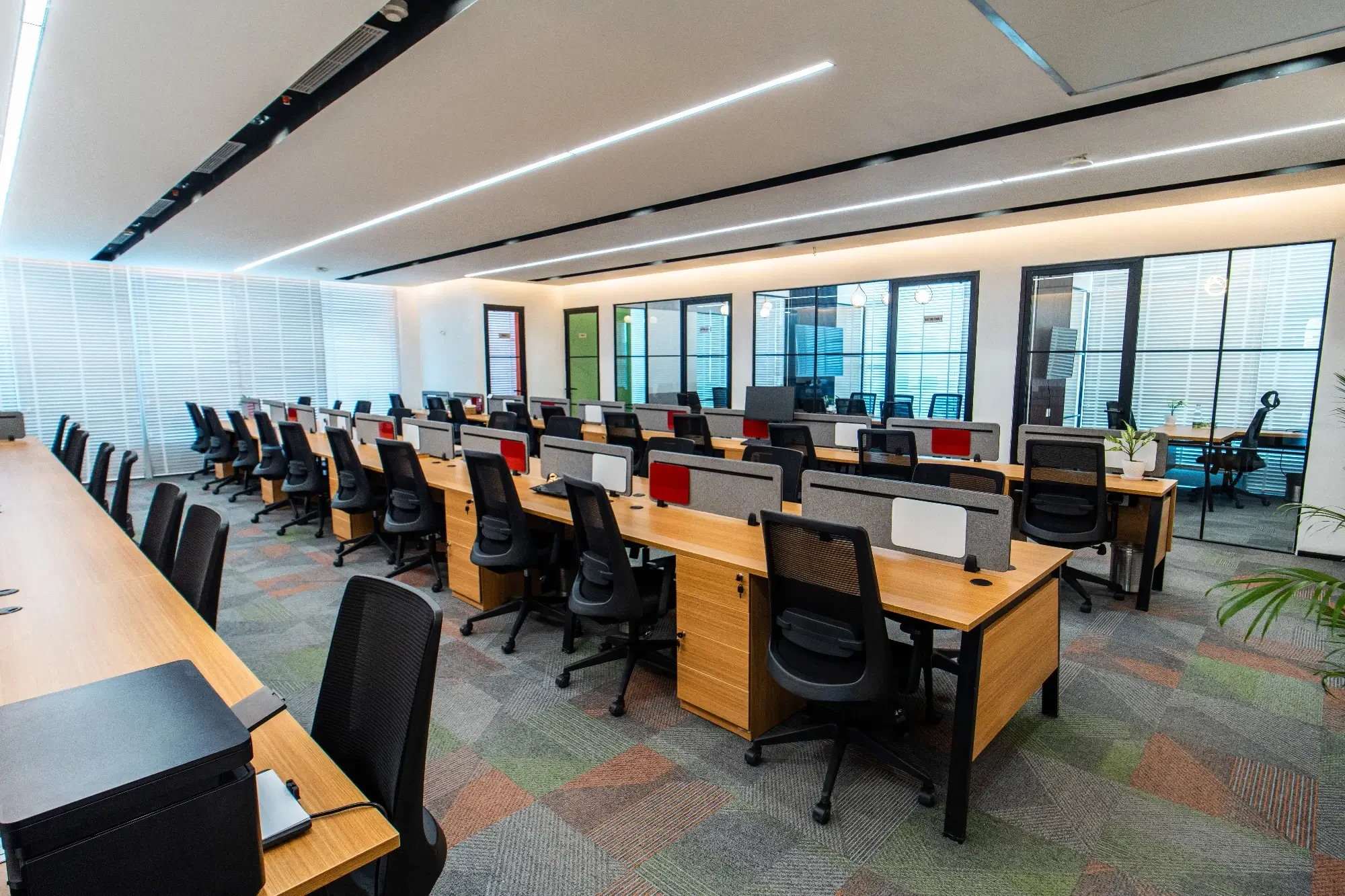
In traditional office space Gurgaon, everything is owned or leased exclusively:
- Full control over layout
- Dedicated cabins and rooms
- Long-term lease agreements
- Full branding freedom
It feels stable. Grounded. A little heavier too.
Companies choosing traditional office space Gurgaon usually want control, identity, and long-term planning.
And in this contrast, Coworking Spaces vs Traditional Offices in Gurgaon – Comparison Guide starts becoming less about space and more about mindset.
One is shared energy. The other is private silence.
Key Differences Between Coworking and Traditional Offices
Let’s break it simply.
- Cost: Coworking is flexible monthly payment; traditional offices need higher setup cost
- Privacy: Traditional offices offer full privacy; coworking is shared
- Flexibility: Coworking wins here
- Control: Traditional offices win here
- Setup Time: Coworking is immediate, traditional takes time
This is where office space in Gurgaon becomes a wide market with many choices, not just two.
And slowly you realize, Coworking Spaces vs Traditional Offices in Gurgaon – Comparison Guide is not a fixed answer. It is a comparison of priorities.
Cost Comparison – The First Real Decision
Money always enters early. It doesn’t ask permission.
In coworking spaces Gurgaon, you usually pay per seat or per month. No heavy setup cost, no furniture purchase, no long commitments.
In traditional office space Gurgaon, the cost structure is different:
- High security deposit
- Interior setup cost
- Maintenance expenses
- Long lease commitments
So businesses often compare both under office space in Gurgaon budgets before deciding.
Startups lean toward coworking because it feels lighter.
Established companies lean toward traditional offices because it feels stable.
And again, Coworking Spaces vs Traditional Offices in Gurgaon – Comparison Guide becomes a financial decision first, emotional decision later.
Flexibility and Freedom
Flexibility is where coworking quietly shines.
In coworking spaces Gurgaon, you can scale up or down easily. Add more seats. Reduce space. Shift locations.
This is what makes flexible workspace Gurgaon so popular today. It adapts to you, not the other way around.
But in traditional office space Gurgaon, flexibility is limited. Once you sign a lease, you are committed.
Still, that commitment gives something else. Stability. A kind of quiet confidence.
So when businesses evaluate Coworking Spaces vs Traditional Offices in Gurgaon – Comparison Guide, they often feel torn here.
Freedom vs stability.
Movement vs grounding.
Work Environment and Culture
Work environment changes everything without you noticing.
In coworking spaces Gurgaon, you see:
- Shared desks
- Networking opportunities
- Active, energetic atmosphere
- Constant movement
It feels alive. Sometimes too alive.
In traditional office space Gurgaon, the environment is controlled:
- Same team everyday
- Quiet surroundings
- Focused work culture
- Structured routines
Companies that prefer shared office space Gurgaon often enjoy collaboration and networking energy.
But companies choosing traditional setups prefer deep focus and internal culture building.
And slowly, Coworking Spaces vs Traditional Offices in Gurgaon – Comparison Guide becomes a question of personality more than business.
Location Advantage in Gurgaon
Location plays a huge role in office decisions.
Popular office space in Gurgaon locations include areas like Cyber City, Golf Course Road, and Sohna Road.
In coworking spaces Gurgaon, you often find offices in premium locations at lower cost because space is shared.
In traditional office space Gurgaon, prime locations are more expensive but fully controlled by one company.
This is why commercial property in Gurgaon demand keeps growing,because businesses want both visibility and affordability.
And again, the comparison returns to Coworking Spaces vs Traditional Offices in Gurgaon – Comparison Guide because location affects everything: clients, employees, even brand image.
Who Should Choose Coworking Spaces?
Coworking is not for everyone,but for many, it is perfect.
Best suited for:
- Startups testing ideas
- Freelancers and consultants
- Remote teams
- Small growing businesses
They often prefer coworking spaces Gurgaon because it reduces pressure and increases flexibility.
And in many cases, shared office space Gurgaon becomes the first step before moving to traditional setups later.
This is where decisions feel light, experimental, almost temporary.
And yet important.
Who Should Choose Traditional Offices?
Traditional offices are for those who want control and permanence.
Best suited for:
- Established companies
- Corporate teams
- Long-term business setups
- Brands focusing on identity
They prefer traditional office space Gurgaon because it supports structure, privacy, and long-term branding.
And in many cases, they already understand commercial property in Gurgaon trends before investing.
This is not a flexible choice. It is a committed one.
And that is why Coworking Spaces vs Traditional Offices in Gurgaon – Comparison Guide often ends here, at maturity.
Emotional Side of the Decision
There is something unspoken here.
Coworking feels like movement. Like beginning. Like uncertainty mixed with excitement.
Traditional offices feel like ownership. Like arrival. Like saying, we are here, and we are staying.
Sometimes businesses switch between both.
Sometimes they don’t know what they need yet.
And that confusion, that pause, is normal.
Because Coworking Spaces vs Traditional Offices in Gurgaon – Comparison Guide is not just about offices. It is about where a business is in its journey.
Conclusion
Choosing between coworking and traditional offices is not just a technical decision. It is about growth stage, budget, and mindset.
Coworking Spaces vs Traditional Offices in Gurgaon – Comparison Guide shows that coworking is flexible, affordable, and great for startups, while traditional offices offer privacy, control, and long-term stability.
Both options are strong in office space in Gurgaon, and both serve different types of businesses.
Many companies start with coworking spaces Gurgaon and later shift to traditional office space Gurgaon when they grow.
Others stay flexible and prefer flexible workspace Gurgaon forever.
Some even combine both through shared office space Gurgaon setups.
In the end, there is no perfect answer. Only the right timing. The right stage. The right need.
And maybe that is enough.